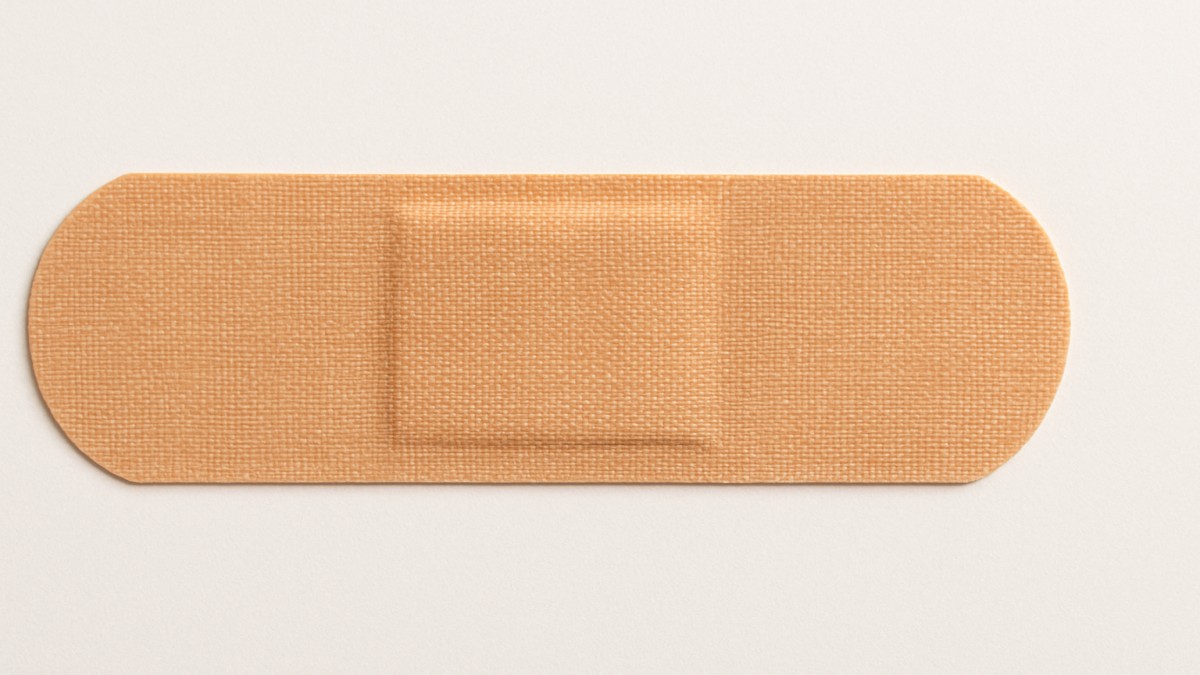
Elastic Adhesive Bandages (EABs) have become essential tools in sports medicine, injury management, and everyday first aid. Whether you’re an athlete recovering from an injury or someone dealing with joint discomfort, EABs offer the perfect balance of flexibility, compression, and support. In this article, we’ll dive deep into everything you need to know from benefits to proper application.
What Is an Elastic Adhesive Bandage?
An elastic adhesive bandage is a stretchable support wrap coated with strong adhesive. It’s designed to provide compression, support, and stabilization to muscles and joints.
Key Features
- Strong adhesive that sticks securely to the skin
- Elastic material allowing movement without losing support
- Breathable fabric to reduce sweating
How It Differs From Regular Bandages
Regular bandages only cover wounds, while EABs offer:
- Compression
- Joint stability
- Injury prevention capabilities
Types of Elastic Adhesive Bandages
Light Support Bandages
Perfect for minor injuries, offering gentle compression and flexibility.
Heavy-Duty Compression Bandages
Used for more serious injuries or when strong stabilization is needed.
Sports-Specific EAB
Designed for athletes to enhance performance and reduce the risk of strains.
Benefits of Elastic Adhesive Bandages
Flexibility
The elastic nature allows movement while maintaining adequate support.
Strong Adhesion
EABs stay firmly in place, even during intense physical activity.
Muscle & Joint Support
Ideal for weak or injured joints, helping reduce discomfort and prevent further injury.
Common Uses
Sports Injuries
Helps manage ligament sprains, muscle strains, and prevent reinjury.
Sprains & Strains
Provides immediate compression to reduce swelling.
Joint Stabilization
Useful for ankles, wrists, knees, and elbows.
Compression for Swelling
Helps control inflammation and speed up recovery.
How to Apply an Elastic Adhesive Bandage
Preparation Steps
- Clean and dry the skin
- Shave excessive hair for better adhesion
- Make sure the body part is in a neutral position
Correct Wrapping Techniques
Ankle Application
- Start at the foot arch
- Wrap upward in a figure-eight pattern
- Ensure even pressure to avoid discomfort
Wrist Support
- Begin by wrapping around the wrist
- Continue around the lower palm
- Secure with a firm but comfortable finish
Knee Wrapping
- Bend the knee slightly
- Wrap around the kneecap in a spiral motion
- Avoid restricting blood flow
Safety Tips
Signs the Bandage Is Too Tight
- Numbness
- Tingling
- Blue or pale skin
- Increased pain
When to Avoid Using EAB
- Open wounds
- Skin infections
- Severe fractures
Always consult a healthcare professional when in doubt.
Care & Maintenance
Storage Tips
- Keep in a cool, dry place
- Avoid direct sunlight
Shelf Life
Most EABs last up to 2–3 years if stored properly.
Who Should Use Elastic Adhesive Bandages?
Athletes
Great for sports injuries and preventive support.
Elderly
Useful for joint pain and stability issues.
First Aid Providers
A must-have tool in emergency kits.
Buying Guide
Material Quality
Look for breathable cotton or elastic blends.
Size & Length
Choose based on the body part being wrapped.
Adhesive Strength
Stronger adhesive ensures longer-lasting support.
Conclusion
Elastic Adhesive Bandages are multifunctional, reliable, and essential for injury recovery, muscle support, and joint stability. Whether you’re an athlete or simply want better first aid preparedness, EABs are a smart addition to any medical kit. Their flexibility, adhesive strength, and wide range of uses make them one of the most effective support tools available.
FAQs
1. Can I reuse an elastic adhesive bandage?
No, EABs are generally single-use because the adhesive loses strength after removal.
2. Is it safe to wear an EAB overnight?
It’s not recommended unless directed by a healthcare professional.
3. Can EABs help with knee pain?
Yes, they provide support and reduce strain on the knee joint.
4. How long should I leave the bandage on?
Usually 24 hours or less, depending on the injury.
5. Are elastic adhesive bandages waterproof?
Most are water-resistant but not fully waterproof.