Connect with us

others

Magnetic Energy: What It Is, How It Works, and Why It Matters

Published

on

Magnetic Energy

Magnetic energy is one of the most fascinating forces in the natural world. It shapes how compasses point north, how electric motors run, how your phone speakers produce sound, and even how the Earth protects us from harmful cosmic radiation. Although invisible, magnetic energy is constantly at work around us. Understanding how it functions helps us appreciate its role in technology, nature, and everyday life.

This article explains what magnetic energy is, how it works, its sources, applications, and importance, all in simple, easy-to-understand language.

What Is Magnetic Energy?

Magnetic energy is the energy stored in magnetic fields. A magnetic field is an invisible force field created by:

  • Moving electric charges
  • Electric currents
  • Certain materials like iron, cobalt, and nickel

Whenever electricity moves, a magnetic field appears around it. This relationship between electricity and magnetism is known as electromagnetism, one of the fundamental forces of nature.

The Basics: How Magnetic Energy Works

Magnetic energy works by creating attraction or repulsion between objects.

  • Like poles (north–north or south–south) repel
  • Unlike poles (north–south) attract

This simple rule helps create motion, electricity, and mechanical power in machines.

Magnetic Fields

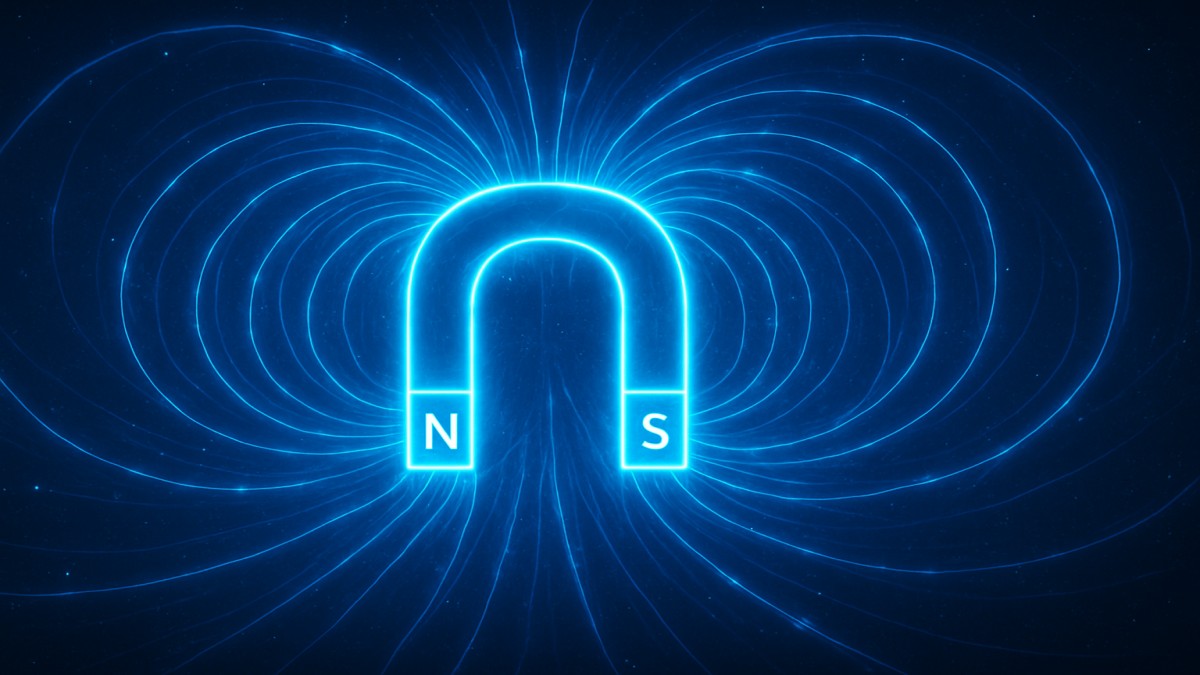
Magnetic fields are represented using “field lines.” These lines:

  • Flow from the north pole to the south pole
  • Show the direction and strength of the magnetic force
  • Are strongest near the poles and weaker farther away

Although you cannot see these lines, iron filings sprinkled near a magnet align perfectly to show the field pattern.

Sources of Magnetic Energy

There are two major sources:

1. Natural Magnets

Materials that naturally produce magnetic fields are called permanent magnets. These include:

  • Magnetite (a natural mineral)
  • Iron
  • Nickel
  • Cobalt

Permanent magnets create continuous magnetic fields without needing electricity.

2. Electromagnets

Electromagnets are created by passing electricity through a coil of wire. The more electricity flows, the stronger the magnetic field becomes.

Electromagnets can be:

  • Turned on or off
  • Made extremely powerful
  • Shaped for different uses

This makes them essential in modern technology.

The Relationship Between Electricity and Magnetism

Magnetic energy and electricity are closely linked. When electric charges move, they create magnetic fields. Likewise, changing magnetic fields can generate electricity.

This principle is the foundation of:

  • Electric generators
  • Transformers
  • Motors

For example:

  • A generator turns mechanical energy into electrical energy
  • A motor turns magnetic energy into movement

Without electromagnetism, modern life would look very different.

Types of Magnetic Energy

Magnetic energy appears in different forms:

1. Static Magnetic Energy

This comes from permanent magnets. The magnetic field stays constant.

2. Electromagnetic Energy

This is produced when electricity moves. It changes depending on the amount of current.

3. Magnetic Fields in Nature

Earth itself is a giant magnet, producing a field that:

  • Guides compasses
  • Shields us from solar radiation
  • Helps birds navigate during migration

Benefits of Magnetic Energy

Magnetic energy offers many advantages:

1. Clean and Safe

Magnetic fields are natural and don’t produce pollution.

2. Efficient Power Conversion

Magnets allow machines to convert energy with minimal energy loss.

3. Long-lasting

Permanent magnets do not wear out easily, making them valuable in industry.

4. Essential for Modern Technology

From smartphones to MRI scanners, magnets support almost every modern system.

Limitations of Magnetic Energy

While magnetic energy is extremely useful, it has some limitations:

  • It cannot be easily stored like electrical energy
  • Magnetic fields weaken with distance
  • Some magnetic materials are rare or expensive
  • Extremely strong fields require high energy
  • Not all environments are safe for magnets (e.g., near sensitive electronics)

Future of Magnetic Energy

Research continues to explore new applications, including:

1. Magnetic Refrigeration

This could reduce electricity use by replacing traditional gas compressors.

2. Advanced Magnetic Materials

Scientists are developing stronger, lighter magnets for electric vehicles and renewable energy.

3. Magnetic Levitation Transport

High-speed maglev systems may become more common, making travel faster and cleaner.

4. Medical Innovations

Improved magnetic imaging and targeted drug delivery systems are under development.

The future of magnetic energy looks promising as technology evolves.

Conclusion

Magnetic energy is a powerful, invisible force that influences nearly every part of modern life. From powering motors and generating electricity to guiding migrating animals and protecting the Earth, magnetic energy plays an essential role in both technology and nature.

Understanding how magnetic energy works helps us appreciate its importance and opens the door to innovative ideas for the future. As research progresses, magnetic energy will continue to shape advancements in medicine, energy production, and transportation.

Continue Reading

Trending