Connect with us

others

Drivetrain: Everything You Need to Know About the Power-Delivering System

Published

on

Drivetrain

What Is a Drivetrain?

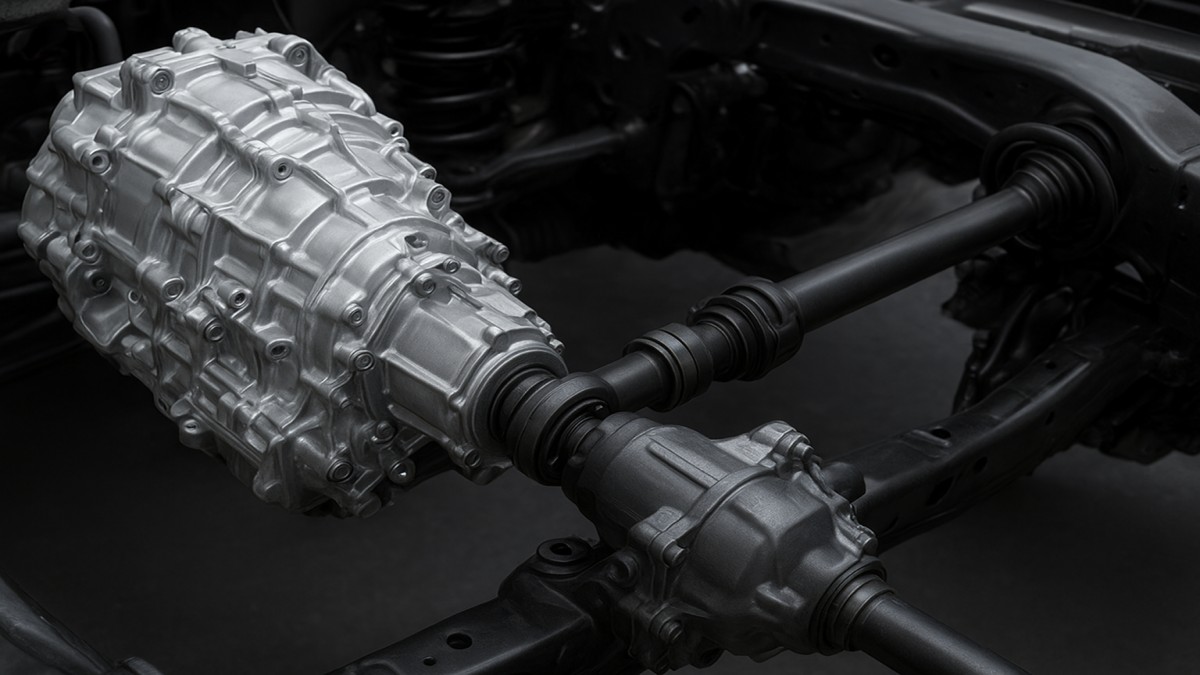
A drivetrain is the collection of components that transfer power from the engine or motor to the wheels. In simple terms, it’s the plumbing that sends torque to the road. Without a functional drivetrain, a car is just a very heavy paperweight.

Drivetrain vs Powertrain — What’s the Difference?

People often swap these terms. The powertrain includes the engine/motor plus the drivetrain. The drivetrain excludes the engine so think of the drivetrain as the downstream gearset: transmission, driveshaft, differential, axles, and wheels.

Core Components of a Conventional Drivetrain

Engine / Motor

This is the power source. Internal combustion engines produce rotational energy; electric motors do the same but with instant torque characteristics that change drivetrain design choices.

Transmission

Also called the gearbox, it changes gear ratios to match engine speed to wheel speed — manual, automatic, CVT, and dual-clutch variants all live here.

Driveshaft

A rotating shaft that carries torque from the transmission to the differential in longitudinal layouts. In front-wheel-drive cars, short half-shafts (CV axles) take that role.

Differential

Splits torque between the left and right wheels, allowing each to spin at different speeds when cornering. Limited-slip and locking differentials modify torque distribution for performance or off-road use.

Axles and Wheels

Final link in the chain — axles transmit torque to wheels, which convert it into forward motion (and sometimes sideways drama in spirited driving).

Bearings and U-joints

Small parts, big impact: worn universal joints, CV joints, or bearings cause vibration and failures if ignored.

Common Drivetrain Layouts

Front-Wheel Drive (FWD)

Transverse engine/transmission combo sends power to the front wheels. Efficient packaging and good traction in poor weather make FWD common in compact cars.

Rear-Wheel Drive (RWD)

Separates steering and drive duties—rear wheels push while fronts steer. Favored for handling balance and performance.

All-Wheel Drive (AWD) and Four-Wheel Drive (4WD)

AWD systems dynamically distribute torque between axles for traction. 4WD typically offers selectable low-range gearing for serious off-road work.

Transverse vs Longitudinal layouts

Transverse setups (engine sideways) save space; longitudinal layouts (engine front-to-back) are ideal for RWD and high-performance platforms.

Drivetrains in Electric & Hybrid Vehicles

Single-motor vs Multi-motor EVs

EVs simplify mechanical complexity — no multi-speed gearbox is often needed, and motors can be mounted directly on axles. Multi-motor EVs allow torque-vectoring for brilliant handling.

Hybrid power-split systems

Hybrids combine engines and motors using clutches and planetary gearsets to seamlessly blend power sources — complex but efficient.

Performance and Efficiency Considerations

Weight, friction, and gear ratios

Every component adds weight and friction. Shorter, lighter drivetrains with optimized ratios improve acceleration and economy.

Tuning for traction and handling

Differentials, torque-vectoring, and electronic controls let engineers tune drivetrains for specific traits: grip-first off-roaders, tail-happy sports cars, or ultra-stable luxury cruisers.

Common Problems and Maintenance

Noises, vibrations, and leaks

Growling from a differential, clunking on acceleration, or fluid leaks — those are your drivetrain waving a red flag. Early diagnosis saves big repair bills.

Service intervals and fluid care

Transmissions and differentials need periodic fluid changes at manufacturer-recommended intervals. CV boots should be inspected; U-joints greased if applicable.

Future Trends in Drivetrain Technology

Electrification and modular e-axles

Electric axles (motors, inverter, and gearbox in a single housing) simplify assembly and enable scalable platforms—expect them to proliferate.

Software-defined torque management

Firmware now shapes torque delivery, traction control, and efficiency in real time—making drivetrains smarter, not just mechanically better.

Conclusion

The drivetrain is the mechanical heart of any vehicle — traditional or electric. It’s where engineering meets the pavement: gears, shafts, differentials, and software working together to move you safely and efficiently. Whether you’re a DIY weekend wrench or a curious driver, understanding drivetrain basics helps you pick, maintain, and get the most out of any vehicle.

FAQs

1. How often should drivetrain fluids be changed?
Follow your owner’s manual—typically every 30,000–100,000 miles depending on component and driving conditions.

2. Is AWD better than 4WD?
AWD is ideal for on-road traction and variable conditions; 4WD is better for heavy-duty off-road and low-speed torque.

3. Do electric cars have transmissions?
Most EVs use a single-speed reduction gear, though some high-performance EVs use multi-speed gearboxes.

4. What causes CV joint failure?
Torn CV boots letting grease escape and dirt enter — inspect boots regularly.

5. Can drivetrain components be upgraded for performance?
Yes—stronger axles, limited-slip differentials, lightweight flywheels, and tuneable control units are common upgrades.

Continue Reading

Trending