Connect with us

Food

Rice Hulls: Uses, Benefits, and Everything You Need to Know

Published

on

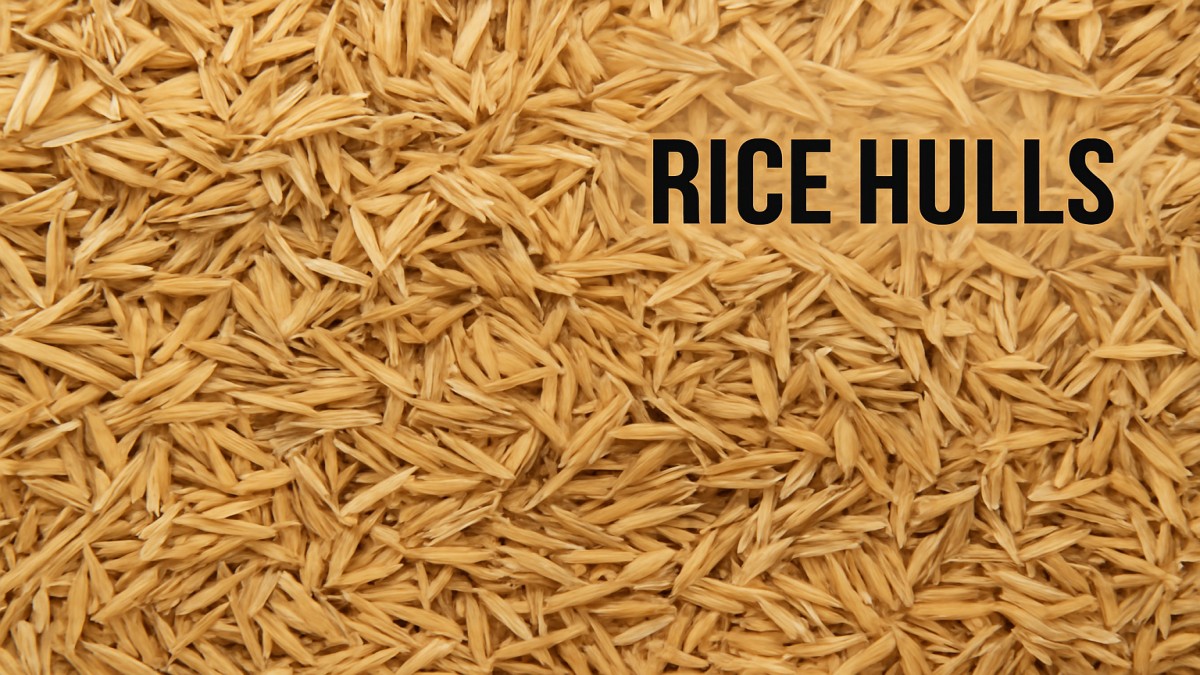
Rice Hulls

Introduction

Rice hulls, also known as rice husks, are one of the most useful agricultural by-products in the world. Though they’re often overlooked or discarded, these lightweight, fibrous casings offer a surprising number of benefits across multiple industries. From farming to energy production, rice hulls are proving to be an eco-friendly alternative in a world seeking sustainable solutions.

What Are Rice Hulls?

Rice hulls are the protective outer covering of rice grains. When rice is milled, the hulls are separated and usually appear as dry, tan-colored flakes.

Composition of Rice Hulls

Rice hulls are rich in:

  • Silica
  • Lignin
  • Cellulose
  • Small amounts of nutrients

This composition makes them durable, resistant to decomposition, and uniquely valuable in various applications.

How Rice Hulls Are Produced

During rice milling, hulls are removed from the grain. They are typically collected in large quantities and can either be burned, composted, or repurposed.

Major Uses of Rice Hulls

Agricultural Applications

Soil Amendment

Rice hulls help lighten heavy soils, allowing roots to breathe and grow more easily.

Mulching

They act as a natural mulch, reducing weed growth and maintaining soil moisture.

Seed Starting Mix

Rice hulls can replace perlite in potting mixes, providing excellent aeration.

Industrial Uses

Biofuel

Rice hulls can be burned to produce heat and energy, making them a renewable biofuel source.

Building Material

Compressed rice hulls are used in bricks, boards, and insulation materials due to their insulating properties.

Filtration Media

Their porous structure makes rice hulls excellent for filtering contaminants from water.

Environmental Uses

Waste Management

Rice hulls can be used to absorb waste and reduce odors in waste management systems.

Water Purification

Rice hull ash helps in removing impurities and heavy metals from water.

Benefits of Rice Hulls

Eco-Friendly

Rice hulls are biodegradable, natural, and help reduce agricultural waste.

Cost-Effective

Since they are a by-product of rice milling, they are inexpensive and widely available in rice-producing regions.

Highly Versatile

Their durability, light weight, and porous nature make them suitable for countless applications.

Rice Hulls in Agriculture

Farmers love rice hulls because they enhance soil performance without harming the environment.

Improve Soil Aeration

Rice hulls create pockets of air in the soil, allowing better oxygen flow to plant roots.

Reduce Soil Compaction

Their light, rigid structure prevents soil from becoming too dense.

Boost Water Retention

While they help aerate soil, rice hulls simultaneously retain enough moisture to support plant growth.

Rice Hull Ash: Another Valuable Product

What Is Rice Hull Ash?

When rice hulls are burned at controlled temperatures, they produce a fine ash that is rich in silica.

Uses and Advantages

  • Strengthens concrete
  • Used in ceramics
  • Acts as an industrial absorbent
  • Improves soil structure

Rice hull ash is especially valuable in construction, where its silica content enhances strength and durability.

How Rice Hulls Compare to Other Agricultural Additives

Rice Hulls vs. Sawdust

  • Rice hulls decompose more slowly
  • They offer better aeration
  • They contain more silica, adding structure

Rice Hulls vs. Coconut Coir

  • Rice hulls are cheaper
  • Coir holds more water, but hulls offer better drainage
  • Both are sustainable and eco-friendly

How to Use Rice Hulls at Home

Gardening

Mix rice hulls into potting soil or spread them as mulch around plants.

Composting

They add carbon to compost piles, balancing out nitrogen-rich materials.

Animal Bedding

Rice hulls are soft, absorbent, and help control odors, making them excellent bedding for poultry and livestock.

Challenges/Limitations of Rice Hulls

Slow Decomposition

While durability is useful, it also means rice hulls take time to break down in soil.

Availability in Some Regions

Rice hulls are abundant in Asia and other rice-producing areas but may be harder to find elsewhere.

Conclusion

Rice hulls are far more than agricultural waste—they’re a powerful, sustainable resource with a wide range of uses. Whether you’re a farmer, gardener, builder, or environmental enthusiast, rice hulls offer solutions that are eco-friendly, cost-effective, and highly practical. With growing awareness of sustainable alternatives, rice hulls are becoming a popular choice across industries, proving that even the simplest natural materials can make a big impact.

FAQs

1. Are rice hulls good for gardening?
Yes! They improve aeration, drainage, and moisture retention in soil.

2. Can rice hulls replace perlite?
Absolutely. Many gardeners use rice hulls as a natural alternative to perlite.

3. Do rice hulls attract pests?
No, they are generally pest-resistant due to their silica content.

4. How long do rice hulls take to break down in soil?
They decompose slowly, usually within 1–2 years depending on climate.

5. Is rice hull ash harmful?
No, when handled properly, it is safe and highly useful in construction and water purification.

Continue Reading

Trending