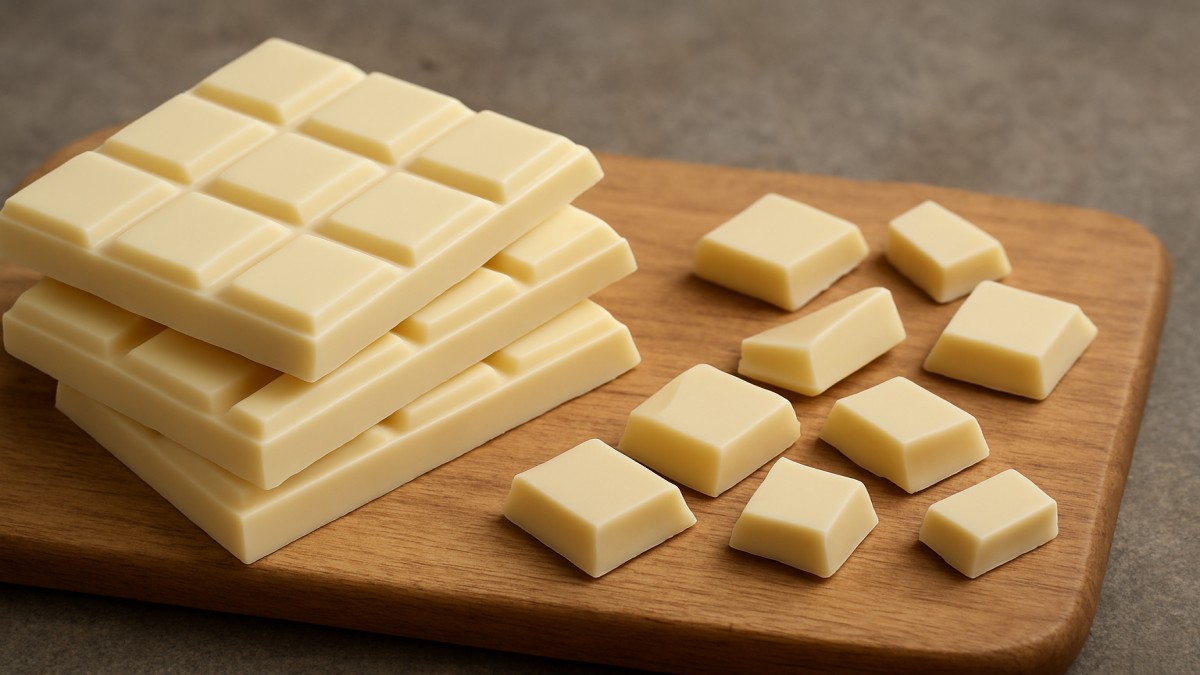
White chocolate tends to spark strong opinions. Some people adore its creamy sweetness, while others argue it doesn’t deserve to be called chocolate at all. Love it or question it, white chocolate has carved out a permanent place in desserts, candies, and kitchens around the world. Let’s unwrap the truth behind white chocolate what it’s made of, how it differs from other chocolates, and why it continues to win fans.
What Is White Chocolate?
White chocolate is a confection made primarily from cocoa butter, sugar, and milk solids. Unlike milk or dark chocolate, it does not contain cocoa solids, which are responsible for chocolate’s deep brown color and slightly bitter flavor.
Key Ingredients Explained
Cocoa butter – The natural fat extracted from cocoa beans
Milk solids – Provide creaminess and softness
Sugar – Adds sweetness
Vanilla or emulsifiers – Enhance flavor and texture
The star ingredient here is cocoa butter, which gives white chocolate its smooth, melt-in-your-mouth feel.
Is White Chocolate Really Chocolate?
This is the million-dollar question. Technically speaking, white chocolate comes from the cocoa bean, but it lacks cocoa solids. Because of this, many purists say it’s not “real” chocolate.
The Cocoa Solids Debate
Chocolate purists argue that cocoa solids define chocolate’s identity. However, food standards in many countries officially recognize white chocolate as chocolate—as long as it contains a minimum percentage of cocoa butter. So while it’s different, it’s still part of the chocolate family.
How White Chocolate Is Made
White chocolate production starts the same way as other chocolates but takes a different turn along the way.
Cocoa Butter Extraction
Cocoa beans are fermented, dried, roasted, and pressed. This process separates:
Cocoa solids
Cocoa butter
White chocolate uses only the cocoa butter portion.
Mixing and Tempering
The cocoa butter is blended with sugar and milk solids, then refined and tempered. Tempering is crucial—it ensures white chocolate has:
A glossy finish
A smooth snap
Proper melting behavior
Taste and Texture of White Chocolate
White chocolate is known for its:
Creamy
Sweet
Buttery
Vanilla-forward flavor
It lacks bitterness, which makes it appealing to those who prefer mild sweetness over intense cocoa flavors. Texture-wise, it’s exceptionally smooth when high-quality cocoa butter is used.
Nutritional Profile of White Chocolate
White chocolate isn’t exactly a health food, but understanding its nutrition helps with mindful enjoyment.
Per 1-ounce (28g) serving:
Calories: ~150–170
Fat: ~9g
Sugar: ~15g
Protein: ~2g
It contains small amounts of calcium due to milk solids but lacks antioxidants found in dark chocolate.
Health Pros and Cons
Pros
Quick energy from sugars
Contains calcium
Easier to digest for those sensitive to cocoa bitterness
Cons
High sugar content
Low in antioxidants
Can contribute to weight gain if overconsumed
Think of white chocolate like a dessert wine—best enjoyed in moderation.
White Chocolate vs Milk Chocolate vs Dark Chocolate
Feature
White Chocolate
Milk Chocolate
Dark Chocolate
Cocoa solids
❌ None
✅ Some
✅ High
Sweetness
Very high
Medium
Low
Bitterness
None
Mild
Strong
Antioxidants
Very low
Moderate
High
Each has its place—it all comes down to taste preference.
Popular Uses of White Chocolate
Baking and Desserts
White chocolate shines in:
Cheesecakes
Cookies
Blondies
Cakes
Frostings
Its sweetness pairs beautifully with tart fruits like raspberries, lemons, and cranberries.
Drinks and Confections
White chocolate is widely used in:
Hot white chocolate drinks
Truffles
Candy bars
Drizzles and coatings
It also blends well with coffee-based beverages.
White Chocolate in Different Cuisines
Globally, white chocolate appears in:
European pastries
American desserts
Asian fusion sweets
Chefs often use it as a base to showcase flavors like matcha, passionfruit, pistachio, and coconut.
Conclusion
White chocolate may be controversial, but it’s undeniably popular. With its rich cocoa butter base, smooth texture, and versatile sweetness, it continues to inspire bakers, chefs, and chocolate lovers worldwide. While it lacks the antioxidants of darker chocolates, it makes up for it in indulgence and flavor. When chosen wisely and enjoyed in moderation, white chocolate is a delightful treat worth savoring.
FAQs
1. Is white chocolate healthier than dark chocolate? No, dark chocolate generally offers more health benefits due to antioxidants.
2. Can white chocolate melt easily? Yes, it melts faster than dark chocolate because of its high fat content.
3. Does white chocolate contain caffeine? No, it contains little to no caffeine since it lacks cocoa solids.
4. Why does white chocolate sometimes taste waxy? Low-quality products often use vegetable fats instead of cocoa butter.
5. Can white chocolate be used for tempering? Yes, but it requires careful temperature control.