Connect with us

others

Ramune: Japan’s Iconic Marble Soda Explained

Published

on

Ramune

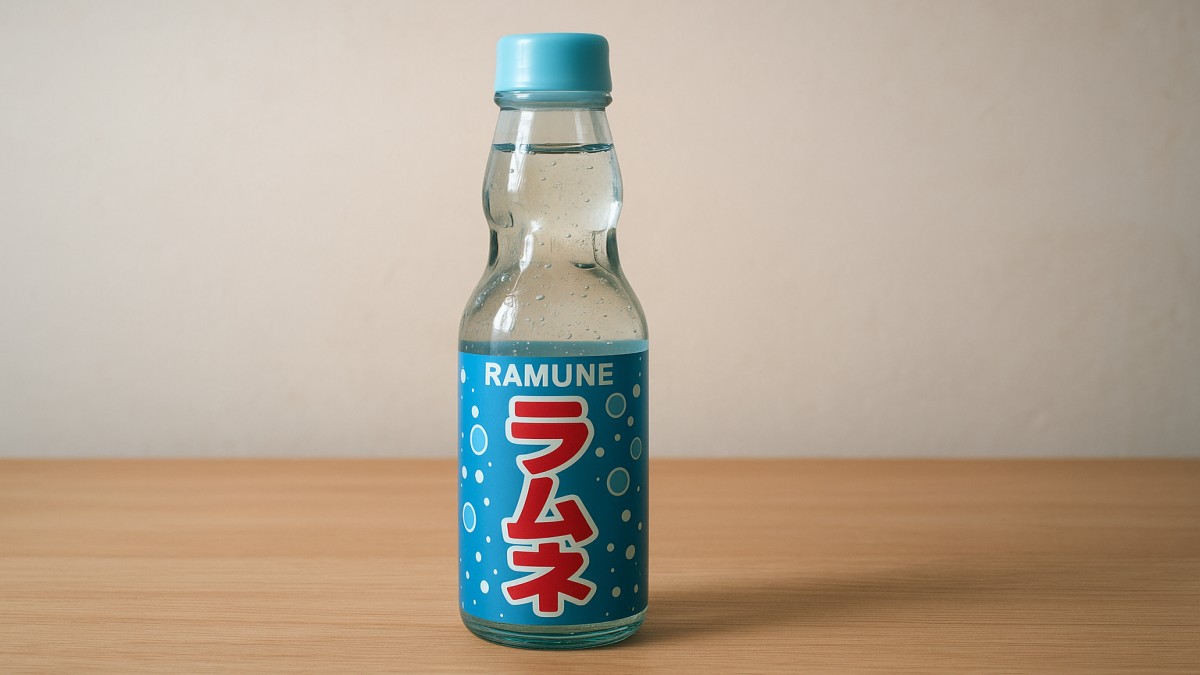
Ramune. If you’ve ever walked into an Asian grocery store or attended a Japanese summer festival, chances are you’ve seen a quirky glass bottle sealed with a marble. That fizzy curiosity is Ramune, one of Japan’s most beloved soft drinks. More than just a beverage, Ramune is an experience playful, nostalgic, and unmistakably Japanese.

Let’s crack open the story behind this iconic soda.

What Is Ramune?

Ramune is a Japanese carbonated soft drink best known for its unique bottle design and refreshing lemon-lime flavor. While many flavors exist today, the original taste is light, citrusy, and not overly sweet—perfect for hot summer days.

Meaning and Origin of the Name

The word Ramune comes from the Japanese pronunciation of the English word “lemonade.” Over time, the name stuck, even though modern Ramune tastes quite different from Western lemonade.

History of Ramune

Arrival of Carbonated Drinks in Japan

Ramune dates back to the late 19th century, during Japan’s rapid modernization period. Carbonated drinks were introduced as foreign novelties and quickly gained popularity.

British Influence and Early Adoption

A British pharmacist named Alexander Cameron Sim played a key role in introducing lemonade-style drinks to Japan. Japanese manufacturers adapted the concept, and Ramune was born—soon becoming a household favorite.

The Unique Ramune Bottle

The bottle is half the fun.

How the Marble Seal Works

Ramune uses a Codd-neck bottle, sealed with a marble instead of a cap. The carbonation pressure keeps the marble tightly lodged at the top. When you push it down, the marble drops and stays in a side chamber while you drink.

Why Ramune Bottles Are So Distinctive

This design isn’t just for show—it was originally created to keep drinks fizzy before modern caps existed. Today, it’s a nostalgic symbol and a clever marketing icon.

How to Open a Ramune Bottle

Opening Ramune feels like a mini game.

Step-by-Step Instructions

  1. Remove the plastic seal.
  2. Take out the plunger cap.
  3. Place it on top of the marble.
  4. Push firmly—don’t hesitate.
  5. Enjoy the satisfying pop.

Pro tip: hold the bottle steady to avoid overflow.

Popular Ramune Flavors

Classic Lemon-Lime

The original flavor remains the most popular. It’s crisp, lightly sweet, and incredibly refreshing.

Fruity and Seasonal Varieties

Modern Ramune comes in dozens of flavors:

  • Strawberry
  • Melon
  • Blueberry
  • Grape
  • Lychee
  • Cola
  • Matcha
  • Sakura (cherry blossom – seasonal)

Limited-edition flavors often appear during festivals.

Ramune and Japanese Culture

Festivals and Summer Traditions

Ramune is deeply tied to Japanese summer festivals (matsuri). Vendors sell chilled bottles alongside takoyaki and cotton candy. For many, Ramune tastes like childhood summers and fireworks.

Ramune vs Other Japanese Soft Drinks

Compared to drinks like Calpis or Pocari Sweat, Ramune is less about hydration and more about fun. It’s lighter than cola and less sweet than many Western sodas.

Is Ramune Healthy?

Ingredients and Nutrition Overview

Ramune typically contains:

  • Carbonated water
  • Sugar or glucose syrup
  • Citric acid
  • Flavoring

It’s not a health drink, but it’s also not overly heavy. Think of it as an occasional treat rather than a daily beverage.

Why Ramune Is Popular Worldwide

The bottle design, playful flavors, and cultural charm have helped Ramune go global. Anime fans, food bloggers, and travelers often discover Ramune and bring the love home.

How Ramune Is Made

The process is similar to other sodas:

  1. Carbonated water is prepared.
  2. Flavoring and sweetener are added.
  3. The liquid is bottled with a marble.
  4. Pressure seals the bottle naturally.

Simple, yet clever.

Collecting Ramune Bottles

Many people keep empty bottles as souvenirs. The marbles themselves are often collected, especially those with unique colors or branding.

Conclusion

Ramune isn’t just soda. It’s history, culture, and nostalgia wrapped in a glass bottle with a marble on top. From its humble origins to its global popularity, Ramune continues to charm people of all ages. If you haven’t tried it yet, now’s the perfect time to press that marble and take a sip of Japan’s most playful drink.

FAQs

1. Why does Ramune have a marble?
The marble seals the bottle using carbonation pressure and adds a fun, iconic twist.

2. Is Ramune alcoholic?
No, Ramune is completely non-alcoholic.

3. Can you swallow the marble?
No, the bottle design prevents the marble from reaching your mouth.

4. What is the most popular Ramune flavor?
Classic lemon-lime remains the top favorite.

5. Is Ramune suitable for kids?
Yes, but adult supervision is recommended when opening the bottle.

Continue Reading

Trending