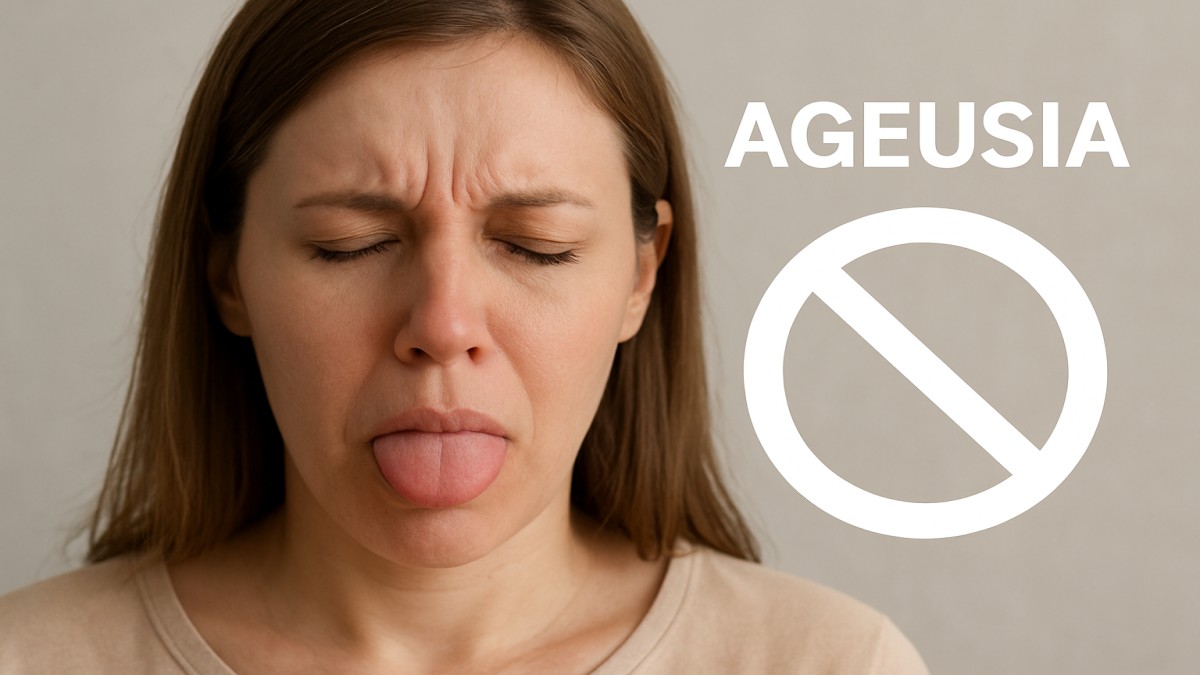
Ageusia is one of those conditions that can sneak up on you. One day your favorite foods taste delicious, and the next, everything feels bland and tasteless. Losing your sense of taste can be confusing and frustrating, especially since it affects everyday life far more than we often realize. This article breaks down what ageusia is, why it happens, and what you can do about it all in simple, friendly language.
What Is Ageusia?
Ageusia refers to the complete loss of the sense of taste. It’s less common than people think, but when it occurs, it can significantly affect appetite and quality of life.
Complete vs. Partial Loss of Taste
- Ageusia: Total loss of taste
- Hypogeusia: Reduced ability to taste
- Dysgeusia: Distorted or altered taste (metallic, bitter, strange flavors)
Ageusia vs. Dysgeusia vs. Hypogeusia
While these terms sound similar, they describe different experiences. Knowing the difference helps in understanding the underlying issue and choosing the right treatment.
How Taste Normally Works
Taste isn’t just about your tongue—it’s a team effort between your mouth, nose, and brain.
Role of Taste Buds
Your tongue hosts thousands of taste buds, each detecting:
- Sweet
- Sour
- Salty
- Bitter
- Umami (savory)
When taste buds are damaged or not functioning properly, taste disappears.
Contribution of Smell
Up to 80% of taste actually comes from smell. That’s why a blocked nose often dulls flavor.
Common Causes of Ageusia
Ageusia doesn’t appear for no reason. Here are the most frequent culprits.
Viral Infections
COVID-19
One of the hallmark symptoms of COVID-19 is sudden loss of taste and smell. This happens due to inflammation in the taste and olfactory pathways.
Common Cold & Flu
Any condition that affects nasal passages or oral tissues can temporarily eliminate taste.
Medical Conditions
Diabetes
High blood sugar can damage nerves, including those linked to taste.
Vitamin Deficiencies
Lack of:
- Zinc
- Vitamin B12
- Vitamin A
can disrupt taste function.
Neurological Disorders
Conditions like Parkinson’s disease, Alzheimer’s, or stroke can interfere with taste signals reaching the brain.
Medications
Some drugs list taste loss as a side effect.
Antibiotics
Certain antibiotics alter taste bud sensitivity.
Antidepressants
These may affect neurotransmitters involved in taste perception.
Lifestyle Factors
Smoking
Chronic smoking dulls taste bud sensitivity over time.
Poor Oral Hygiene
Inflammation, infection, or buildup in the mouth can disrupt normal taste functions.
Symptoms Associated With Ageusia
Ageusia often comes along with other unpleasant symptoms.
Loss of Appetite
Food becomes less appealing when you can’t taste it.
Weight Loss
Unintentional weight loss can occur due to decreased food intake.
Reduced Food Enjoyment
One of the most emotional effects—eating simply stops being enjoyable.
How Ageusia Is Diagnosed
Doctors use several methods to identify the cause.
Physical Examination
A look at the mouth, tongue, and throat for infection or inflammation.
Taste Tests
Doctors may apply specific solutions to assess different taste responses.
Imaging Studies
If nerve damage is suspected, MRI or CT scans may be recommended.
Treatment Options for Ageusia
Treatment depends on what’s causing the loss of taste.
Treating Underlying Causes
Examples:
- Treating infections
- Managing diabetes
- Adjusting medications
Nutritional Therapies
Restoring zinc or vitamin levels can help taste return in some individuals.
Medical Treatments
In some cases, doctors prescribe medications to reduce inflammation or stimulate taste recovery.
Home Remedies & Self-Care
A few simple steps can support the healing process.
Hydration
Dry mouth affects taste, so drink enough water throughout the day.
Zinc-Rich Foods
Try:
Good Oral Hygiene
Brushing, flossing, and using mouthwash can improve taste sensitivity.
Prevention Tips
Managing Chronic Conditions
Keeping conditions like diabetes under control reduces the risk of nerve damage.
Regular Dental Care
Healthy teeth and gums support better taste function.
When to Seek Medical Help
Seek medical attention if:
- Ageusia develops suddenly
- It lasts more than a few days
- You have additional symptoms like fever, dizziness, or pain
- Taste does not return after a viral infection
Conclusion
Ageusia can be unsettling, but in many cases, it’s temporary and treatable. By understanding the causes and following proper treatment and prevention strategies, most people regain their sense of taste fully. If you’re experiencing taste loss, don’t ignore it—your body may be signaling that something deeper needs attention.
FAQs
1. How long does ageusia last?
It varies depending on the cause—viral cases often resolve within days or weeks.
2. Is ageusia a symptom of COVID-19?
Yes, it is one of the most common early symptoms.
3. Can ageusia be permanent?
Rarely. Permanent taste loss can occur if major nerve damage happens.
4. Can anxiety cause taste loss?
Stress and anxiety can lead to dry mouth and altered taste, but full ageusia is uncommon.
5. Does ageusia affect smell?
Not directly, but many conditions that cause taste loss also impact smell.