Connect with us

Food

Caipirinha: Brazil’s Iconic Cocktail Explained

Published

on

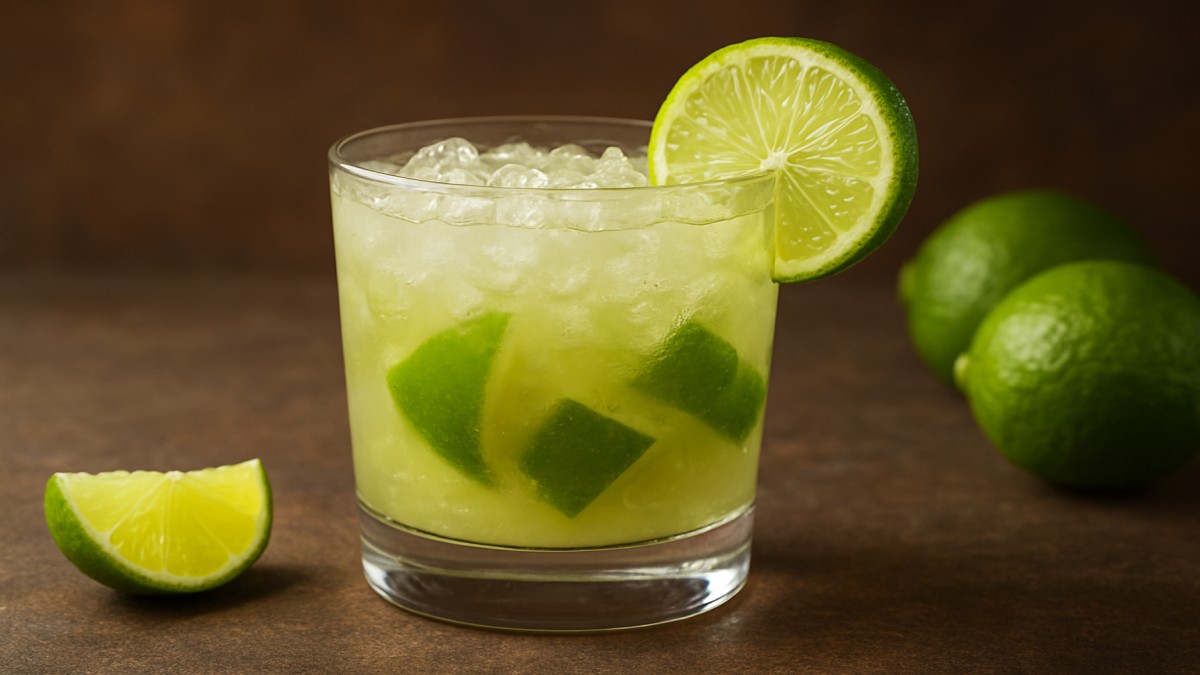
Caipirinha

If Brazil had a signature flavor, it would taste like a caipirinha. Bright, bold, refreshing, and unapologetically strong, this cocktail is more than just a drink it’s a celebration in a glass. Whether you’re lounging on a beach or hosting friends at home, a caipirinha brings instant tropical vibes.

Simple ingredients, powerful flavor, and deep cultural roots that’s the magic formula behind this world-famous cocktail.

What Is a Caipirinha?

A caipirinha is Brazil’s national cocktail made with cachaça, fresh lime, sugar, and ice. It’s refreshing yet fiery, sweet yet sharp, and incredibly easy to make.

Origin of the Name

The word caipirinha comes from caipira, meaning “country person” or “hillbilly” in Portuguese. Originally, it was a rustic drink enjoyed by locals—raw, honest, and full of character.

History of the Caipirinha

From Folk Remedy to National Drink

The caipirinha dates back to the early 20th century. It started as a home remedy for the flu, mixing lime, sugar, garlic, and cachaça. Thankfully, garlic didn’t make the final cut.

Over time, the drink evolved into a cultural symbol of Brazil—now served everywhere from street bars to five-star hotels.

Key Ingredients of a Traditional Caipirinha

The beauty of a caipirinha lies in its simplicity.

Cachaça

This is the soul of the drink. Cachaça is a Brazilian spirit made from fresh sugarcane juice, not molasses like rum. It has a grassy, funky flavor that defines the caipirinha.

Lime

Fresh lime wedges are essential. They provide acidity, aroma, and balance.

Sugar

Traditionally white sugar is used, though some prefer brown or raw sugar for deeper flavor.

Ice and Proportions

Crushed ice works best, chilling the drink quickly and softening the alcohol’s punch.

How to Make a Classic Caipirinha

Step-by-Step Preparation

  1. Cut one lime into wedges
  2. Place lime and 2 teaspoons sugar in a glass
  3. Muddle gently to release juice and oils
  4. Fill glass with ice
  5. Add 2 oz cachaça
  6. Stir well and serve

That’s it. No shaker, no fuss—just pure flavor.

Taste Profile and Flavor Experience

A caipirinha hits your palate like a samba beat:

  • Sharp citrus upfront
  • Sweetness follows
  • Warm, bold finish from cachaça

It’s refreshing but strong, playful yet serious—perfect for slow sipping or lively gatherings.

Caipirinha vs Mojito vs Daiquiri

FeatureCaipirinhaMojitoDaiquiri
Base spiritCachaçaRumRum
HerbsNoneMintNone
SweetnessMediumLightMedium
StrengthStrongMildModerate

Caipirinha is the boldest of the trio—less polished, more powerful.

Popular Caipirinha Variations

Fruit Caipirinhas

Brazil loves experimenting with fruits:

  • Strawberry
  • Passion fruit
  • Mango
  • Pineapple

Just muddle fruit with lime and sugar before adding cachaça.

Caipiroska and Other Twists

Swap cachaça with vodka and you get a caipiroska. Use rum, sake, or tequila, and you’ve got endless variations—though purists may raise an eyebrow.

Best Occasions to Serve a Caipirinha

Caipirinhas shine at:

  • Summer parties
  • BBQs
  • Beach gatherings
  • Casual dinners

They’re social drinks—easy to make, easy to share.

Glassware and Presentation Tips

Traditionally served in:

  • Old-fashioned glass
  • Rocks glass

Garnish with a lime wedge and keep it rustic. This drink doesn’t need fancy flair.

Alcohol Content and Strength

Don’t let the sweetness fool you. Caipirinhas are strong. Cachaça typically ranges from 38–48% ABV, making this cocktail more potent than it tastes.

Food Pairings with Caipirinha

Pairs beautifully with:

  • Grilled seafood
  • Fried snacks
  • Spicy dishes
  • Brazilian appetizers like pão de queijo

The acidity cuts through rich, salty foods perfectly.

Common Mistakes When Making Caipirinha

  • Over-muddling lime (causes bitterness)
  • Using bottled lime juice
  • Skipping crushed ice
  • Using low-quality cachaça

Keep it fresh and balanced.

Is Caipirinha Healthy?

While it contains vitamin C from lime, it’s still an alcoholic drink with sugar. Enjoy in moderation and think of it as a treat, not a tonic.

Why Caipirinha Is Loved Worldwide

The caipirinha represents Brazil’s spirit—simple, joyful, and bold. Its global popularity comes from:

  • Easy preparation
  • Strong personality
  • Refreshing taste

It doesn’t try to be fancy—it just works.

Conclusion

The caipirinha is proof that simplicity can be powerful. With just a few ingredients, it delivers a vibrant, unforgettable experience. Whether you’re discovering it for the first time or sipping it like a seasoned fan, this Brazilian classic never disappoints. One glass, and you’ll understand why the world fell in love with it.

FAQs

1. Can I make caipirinha without cachaça?
Yes, but it won’t be authentic. Vodka versions are called caipiroska.

2. Is cachaça the same as rum?
No. Cachaça is made from fresh sugarcane juice, while rum uses molasses.

3. Should caipirinha be shaken or stirred?
Neither—it’s built directly in the glass.

4. What sugar works best?
White sugar is traditional, but raw sugar adds depth.

5. Can caipirinha be made in batches?
Yes, but add ice just before serving to avoid dilution.

Continue Reading

Trending