Connect with us

Business

Central Business District: The Heart of Urban Growth and Economic Activity

Published

on

Central Business District

Introduction to the Central Business District (CBD)

What Is a CBD?

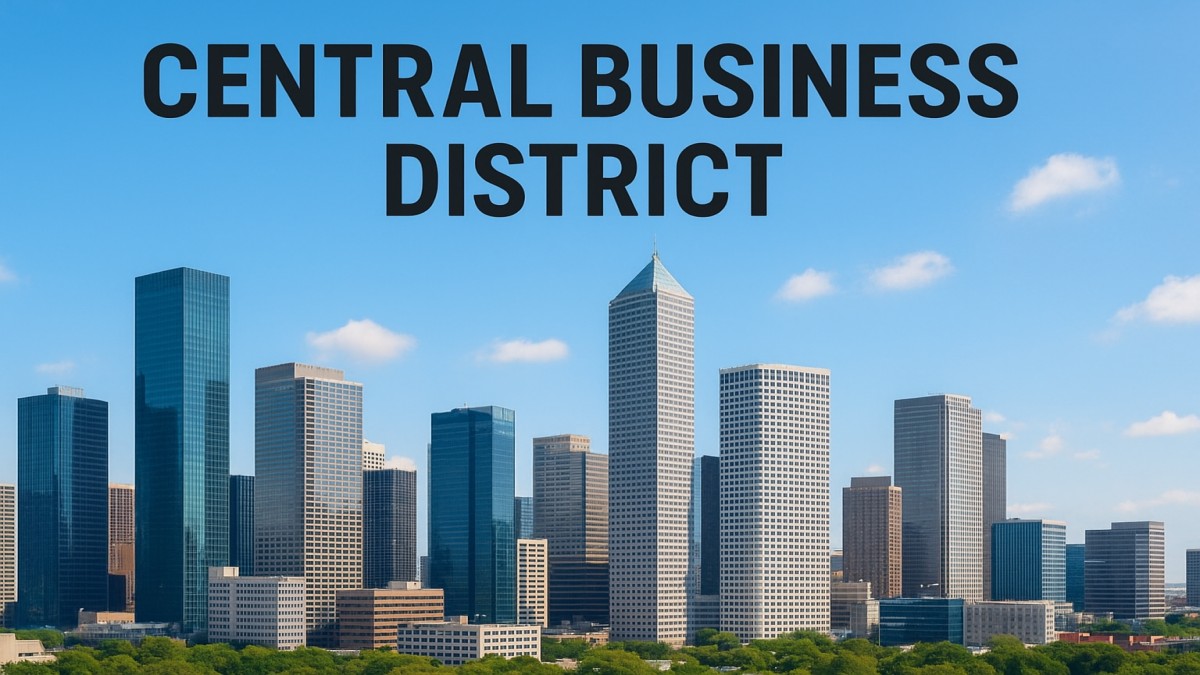
A Central Business District, often simply called a CBD, is the commercial and economic core of a city. It’s where you’ll find major companies, government offices, retail giants, cultural landmarks, and high-rise buildings all packed into one bustling hub.

Why CBDs Matter in Urban Planning

CBDs are the lifeline of most metropolitan areas. They contribute heavily to the local, regional, and even national economy by attracting businesses, investors, and workers.

Historical Development of CBDs

Early Urban Centers

Cities have always had central zones for trade and administration. Think of ancient marketplaces or medieval town squares—they were the early versions of CBDs.

Evolution Through Industrialization

The Industrial Revolution pushed cities upward and outward. CBDs became concentrated zones for factories, banks, and railways.

The Modern High-Rise Era

Today, CBDs are known for their distinctive skylines—strong symbols of economic strength and technological advancements.

Key Features of a Central Business District

Commercial Activities

From multinational corporations to small enterprises, the CBD hosts diverse business operations.

Transportation Infrastructure

CBDs are usually the most accessible parts of a city, filled with:

  • Major highways
  • Subway systems
  • Bus terminals
  • Train stations

High Population Density

During business hours, CBDs attract thousands—even millions—of workers and visitors.

Retail and Entertainment Hubs

Shopping malls, theaters, restaurants, and cultural attractions make the CBD a lively social spot.

Financial Institutions and Headquarters

Banks, stock exchanges, and corporate offices often choose CBDs due to visibility and connectivity.

The Role of CBDs in Urban Economy

Employment Generation

CBDs create massive job opportunities across sectors such as finance, technology, hospitality, and retail.

Business Expansion and Global Connectivity

International companies often choose CBDs for their regional headquarters because of access to transportation and global networks.

Tourism and Cultural Attractions

Tourists flock to CBDs for iconic buildings, museums, historical landmarks, and shopping.

Urban Challenges Associated with CBDs

Traffic Congestion

With high foot and vehicle traffic, congestion becomes unavoidable, especially during peak hours.

High Cost of Living and Rentals

CBD rentals can be extremely expensive due to demand and prime location advantages.

Overcrowding and Pollution

Noise, waste, and air pollution increase as more people move through these areas.

Accessibility Issues

Older CBDs may struggle with providing modern accessibility for people with disabilities.

CBD Redevelopment and Modern Trends

Smart Cities and Digital Infrastructure

Cities are now integrating:

  • IoT systems
  • Smart traffic control
  • High-speed internet
  • Digital signage

Sustainability in City Planning

Green buildings, solar-powered systems, and eco-friendly transportation are becoming crucial.

Mixed-Use Development

Combining residential, office, and recreational spaces helps create more balanced and sustainable CBDs.

Examples of Famous CBDs Worldwide

New York’s Manhattan

Known for Wall Street, Times Square, and skyscrapers—Manhattan is the epitome of a global CBD.

London’s City District

A major hub for finance, culture, and innovation.

Singapore’s Downtown Core

An ultra-modern, sustainable CBD known for cleanliness and efficiency.

Tokyo’s Shinjuku and Marunouchi

Technological innovation meets dense commercial activity.

Future of Central Business Districts

Remote Work and Hybrid Offices

With work-from-home trends rising, CBDs are evolving to stay relevant. More communal workspaces and flexible office setups are emerging.

Urban Green Spaces

Cities now prioritize parks, rooftop gardens, and tree-lined walkways within CBDs to improve air quality and enhance well-being.

Conclusion

The Central Business District remains the beating heart of urban life. It drives the economy, shapes a city’s identity, and creates opportunities for businesses and individuals alike. As cities continue to evolve with new technologies and sustainability goals, CBDs will adapt—becoming smarter, greener, and more inclusive spaces.

FAQs

1. What makes a CBD different from other commercial areas?
A CBD is larger, more developed, and serves as the primary economic center of a city.

2. Are CBDs only for business?
No. Many CBDs include residential, entertainment, cultural, and green spaces.

3. Why are CBDs usually crowded?
Most jobs, public services, and major transportation networks are concentrated there.

4. How do CBDs impact property value?
Areas near CBDs often have higher rental rates and stronger real estate demand.

5. Will CBDs disappear because of remote work?
Unlikely—they will evolve but remain essential for networking, commerce, and innovation.

Continue Reading

Trending