Connect with us

Health

Fibularis Muscles: Anatomy, Functions, and Clinical Importance

Published

on

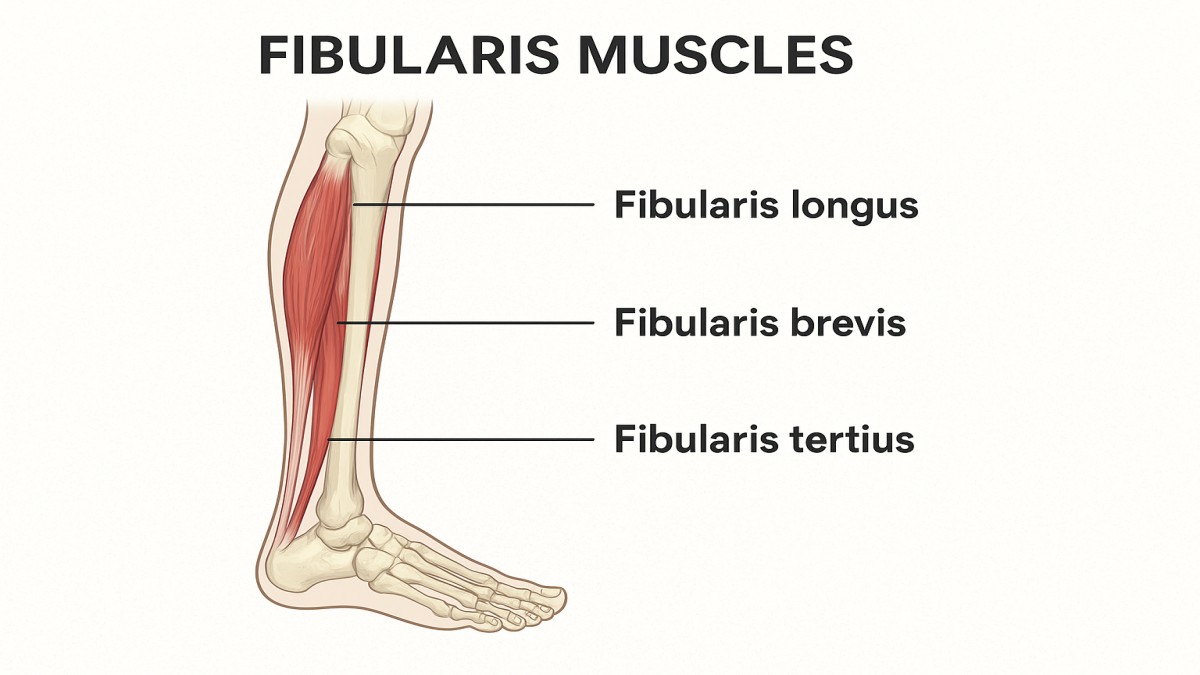
Fibularis Muscles

The fibularis muscles—also known as the peroneal muscles—play a crucial role in maintaining foot stability, supporting ankle movements, and enabling smooth walking and running. Although often overlooked, these muscles protect the ankle from rolling inward and outward, making them essential for athletes and anyone who performs regular physical activity.

Anatomy of the Fibularis Muscle Group

Location of the Fibularis Muscles

The fibularis muscles are located on the lateral (outer) side of the lower leg, running along the fibula bone. Together, they help control movements that stabilize the foot and ankle.

Overview of the Three Major Fibularis Muscles

The muscle group consists of:

  • Fibularis longus
  • Fibularis brevis
  • Fibularis tertius

Each muscle has its own anatomical features and functional responsibilities.

Fibularis Longus

Origin and Insertion

Fibularis longus begins at the upper part of the fibula and inserts at the base of the first metatarsal and medial cuneiform on the bottom of the foot.

Structure and Course

It travels downward along the leg, passes behind the lateral malleolus (outer ankle bone), and crosses under the foot.

Primary Functions

  • Foot eversion (turning the sole outward)
  • Supports plantar flexion
  • Helps maintain the arch of the foot

Role in Foot Stability

By acting as a lateral stabilizer, it prevents the foot from rolling excessively—especially important for athletes who run or jump frequently.

Fibularis Brevis

Anatomical Position

Fibularis brevis lies just beneath fibularis longus and runs along the lower two-thirds of the fibula.

Functions and Movement

  • Assists in eversion
  • Provides lateral stabilization during walking and standing
  • Helps protect the ankle during sudden movements

Importance in Walking and Balance

The muscle ensures a smooth transition of weight from heel to toe and maintains balance during uneven-surface activities.

Fibularis Tertius

Unique Features

Fibularis tertius is the smallest and least consistent of the group—some people naturally lack this muscle.

Function and Contribution to Gait

  • Helps with dorsiflexion (lifting the foot upward)
  • Supports foot eversion

Why Some People Do Not Have Fibularis Tertius

Its absence does not usually cause functional issues; it is considered an evolutionary muscle with variable development.

Blood Supply and Innervation

Arterial Supply

These muscles are supplied by branches of the fibular artery.

Nerve Supply

They are innervated by the superficial fibular nerve, essential for muscle movement and sensation.

Effects of Nerve Injury

Damage can lead to:

  • Weak eversion
  • Foot instability
  • Difficulty walking on uneven surfaces

Functions of the Fibularis Muscles

Eversion of the Foot

They are the primary muscles responsible for outward movement of the foot.

Plantar Flexion Support

Fibularis longus assists the calf muscles in pointing the foot downward.

Lateral Ankle Stabilization

They prevent ankle sprains by resisting unnatural rolling.

Role in Sports and Daily Activities

From sprinting to hiking, these muscles maintain ankle control, improving performance and reducing injuries.

Common Injuries of the Fibularis Muscles

Fibularis Tendonitis

An overuse injury causing inflammation and pain along the outer ankle.

Fibularis Tendon Tears

May occur from trauma or chronic weakening.

Chronic Ankle Instability

Weak fibularis muscles contribute significantly to repeated ankle sprains.

Symptoms and Warning Signs

  • Outer ankle pain
  • Swelling
  • Clicking sensations
  • Weakness during foot eversion

Causes and Risk Factors

Repetitive Stress

Sports that involve sudden lateral movements increase strain.

Poor Footwear

Shoes lacking ankle support can worsen muscle load.

High-Impact Sports

Basketball, soccer, and trail running put pressure on these muscles.

Anatomical Variations

Flat feet or high arches increase injury risk.

Diagnosis of Fibularis Muscle Problems

Physical Examination

Doctors assess tenderness, alignment, and range of motion.

Imaging Tests

  • MRI detects tendon tears
  • Ultrasound identifies inflammation

Clinical Differentiation

Proper diagnosis helps rule out other ankle disorders.

Treatment Options

Home Remedies

  • Rest
  • Ice
  • Compression
  • Elevation

Physical Therapy

Strengthening and stretching exercises restore muscle function.

Medications

Anti-inflammatory drugs reduce pain and swelling.

Surgical Intervention

Required for severe tears or chronic instability not responding to therapy.

Final Thoughts on the Fibularis Muscles

The fibularis muscles may not be widely discussed, but they are essential for maintaining balance, stability, and mobility. By understanding their anatomy, functions, and potential problems, you can better protect your ankles and improve overall performance—whether in sports or daily life.

FAQs

1. Why are the fibularis muscles important?

They stabilize the ankle, prevent sprains, and support foot movement.

2. What is the main action of these muscles?

Foot eversion, along with secondary roles in stability and plantar flexion.

3. Can fibularis muscle injuries heal naturally?

Mild injuries often resolve with rest and home care, but severe ones may need therapy or surgery.

4. How do I strengthen these muscles?

Exercises like ankle eversion resistance and balance training are effective.

5. Is fibularis tertius necessary?

No, many people do not have it, and its absence typically causes no functional issues.

Continue Reading

Trending