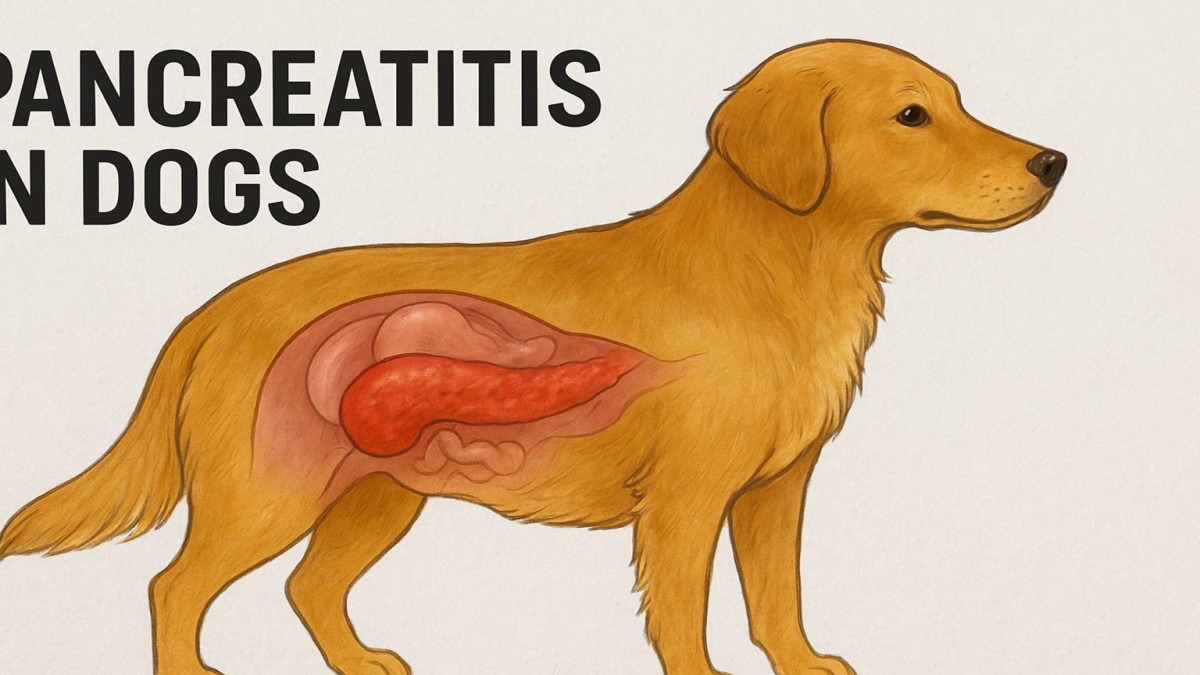
Pancreatitis in dogs is more common than many pet owners realize. It can appear suddenly, become severe within hours, and even be life-threatening if left untreated. Whether you’ve noticed subtle changes in your dog’s appetite or they’re showing obvious signs of abdominal pain, understanding pancreatitis can make all the difference in how quickly you act.
Let’s break down the signs, causes, and best ways to protect your furry friend.
Understanding Pancreatitis in Dogs
What Is the Pancreas?
The pancreas produces important digestive enzymes and essential hormones like insulin. When inflammation occurs, those enzymes can activate too early essentially digesting the pancreas itself.
Sounds scary, right? That’s why early recognition matters.
Acute vs. Chronic Pancreatitis
- Acute pancreatitis appears suddenly, often triggered by a specific event such as eating fatty food.
- Chronic pancreatitis develops slowly over time and may cause recurring, subtle symptoms.
Common Causes of Pancreatitis in Dogs
Dietary Causes
One of the biggest culprits is high-fat foods. Even something as simple as table scraps or greasy meat can trigger inflammation in sensitive dogs.
Medical and Genetic Factors
Some dogs are naturally more prone to pancreatitis. Risk factors include:
- Diabetes
- Hypothyroidism
- Obesity
- Certain breeds like Schnauzers, Poodles, and Cocker Spaniels
Environmental Triggers
Exposure to toxins, garbage ingestion, or sudden dietary changes can also cause pancreatitis.
Symptoms of Pancreatitis in Dogs
Early Warning Signs
These may look harmless at first:
- Loss of appetite
- Vomiting
- Lethargy
- Diarrhea
- Mild belly discomfort
You know your dog best—if they’re acting “off,” trust your instincts.
Severe or Emergency Symptoms
When pancreatitis becomes serious, symptoms escalate:
- Severe stomach pain (often hunched posture)
- Continuous vomiting
- High fever
- Dehydration
- Collapse
These require immediate veterinary attention.
How Pancreatitis Is Diagnosed
Physical Examination
Vets often notice abdominal tenderness and dehydration during the exam.
Blood Tests and Imaging
Common tools include:
- Pancreatic enzyme tests
- Ultrasound
- X-rays
These help confirm inflammation and rule out other conditions.
Treatment Options for Pancreatitis in Dogs
Hospitalization and Supportive Care
Most dogs with moderate to severe pancreatitis need hospitalization for:
- IV fluids
- Electrolyte support
- Pain management
- Anti-nausea medication
Medications Commonly Used
- Pain relievers
- Antiemetics to reduce vomiting
- Antibiotics (only if infection is suspected)
Dietary Management
Low-fat, easily digestible food is essential. Many vets recommend prescription digestive diets.
At-Home Care for Dogs With Pancreatitis
Feeding Guidelines
Once your dog stabilizes, small, frequent meals work best. Avoid:
- Fatty treats
- People food
- Sudden diet changes
Reintroducing Activity
Let your dog recover gradually. Short, gentle walks are fine, but avoid intense exercise until your vet approves.
Long-Term Management and Prevention
Lifestyle Adjustments
Maintaining a healthy weight is key. Obesity significantly increases the risk of recurrent pancreatitis.
Foods to Avoid
Keep your dog away from:
- Fried foods
- High-fat meats
- Dairy products
- Table scraps
Monitoring Your Dog’s Health
Regular vet visits help catch issues early. Dogs with chronic pancreatitis may need long-term dietary management.
When to See a Veterinarian
If your dog vomits repeatedly, shows signs of abdominal pain, or suddenly becomes lethargic, seek emergency care. With pancreatitis, hours can make a huge difference.
Conclusion
Pancreatitis in dogs is a serious condition that requires quick action and long-term care. By understanding the symptoms, avoiding trigger foods, and partnering closely with your veterinarian, you can help protect your dog from painful flare-ups and ensure they live a healthy, happy life.
FAQs
1. Can pancreatitis be cured completely?
Acute pancreatitis can be treated successfully, but chronic cases often require lifelong management.
2. What foods trigger pancreatitis in dogs?
High-fat foods, table scraps, bacon, fried items, and dairy products are major triggers.
3. Is pancreatitis fatal in dogs?
If untreated, severe cases can be life-threatening. Early treatment improves survival dramatically.
4. Can pancreatitis in dogs come back?
Yes. Many dogs experience recurrent episodes, especially if diet and weight aren’t managed.
5. How long does recovery take?
Mild cases may improve within a few days, while severe cases can take weeks to fully stabilize.