Introduction to Personal Ornamentation
What Personal Ornamentation Really Means
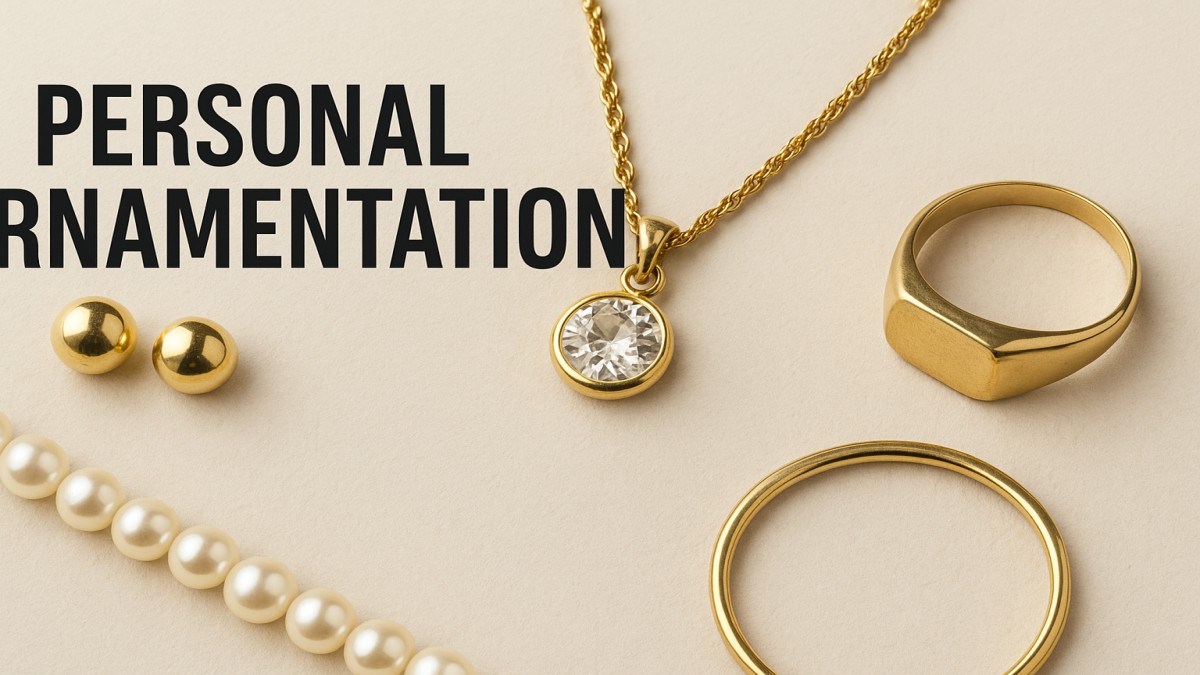
Personal ornamentation refers to the many ways humans decorate or modify their bodies using jewelry, clothing accessories, cosmetics, tattoos, and more. It’s not just about looking good it’s about identity, expression, and connection.
Why Humans Have Always Decorated Themselves
From the earliest cave dwellers to modern fashion lovers, people have always felt the urge to adorn their bodies. Ornamentation is deeply human—it communicates status, beauty, beliefs, and personality without saying a word.
Historical Evolution of Personal Ornamentation
Prehistoric Body Art and Adornments
Early humans used shells, bones, clay, and stones to create simple ornaments. Cave paintings even show tattoo-like patterns. Clearly, self-decoration is as old as humanity itself.
Ancient Civilizations and Their Decorative Traditions
Egyptians favored gold jewelry and eye makeup, Romans wore brooches and rings, and ancient Indians used intricate jewelry and henna. Ornamentation served aesthetic and spiritual roles.
Medieval and Renaissance Ornament Styles
In medieval times, jewelry signified wealth. During the Renaissance, ornamentation reflected art, status, and creativity—gemstones, lace, and embroidery became widespread.
Industrial Age to Modern Aesthetic Shifts
Mass production introduced affordable ornaments. By the 20th century, ornamentation reflected fashion trends, pop culture, and personal style.
Types of Personal Ornamentation
Jewelry
Jewelry remains the most popular form of adornment.
Necklaces, Rings, Earrings, and Bracelets
Each piece tells a story. Rings may symbolize commitment, necklaces express style, and earrings highlight facial features.
Body Modifications
These forms of ornamentation are often tied to identity.
Tattoos, Piercings, Scarification
What once symbolized tribal belonging now reflects personal expression. Tattoos and piercings are mainstream worldwide.
Clothing Embellishments
Fashion is ornamentation in motion.
Embroidery, Beading, Fabric Accessories
From traditional beaded gowns to modern streetwear patches, embellishments add personality to clothes.
Cosmetic Enhancements
Cosmetics have been used for thousands of years.
Makeup, Hair Styling, Nail Art
Makeup transforms features, hairstyling frames identity, and nail art blends creativity with aesthetics.
Cultural and Tribal Decorations
Tribal ornamentation—like Maasai beadwork or Native American feathers—carries deep cultural meaning.
Cultural Significance Across the World
Ornamentation as Identity
Ornaments often reflect ethnicity, nationality, or a personal journey.
Social Status and Symbolism
Historically, kings, queens, and wealthy families used gold, gems, and elaborate styling to showcase power.
Religious and Ritualistic Meanings
From crosses to sacred tattoos, ornamentation often has spiritual roots and ceremonial importance.
Personal Ornamentation in the Digital Age
Fashion Influencers and Online Trends
Social media has reshaped ornamentation. A trend can go viral overnight, shaping global beauty standards.
Changing Beauty Standards
Digital filters and online aesthetics influence how people present themselves and choose ornamentation styles.
Psychological Impact of Ornamentation
Boosting Confidence and Self-Expression
Wearing something you love—whether a ring, a bold lipstick, or a new hairstyle—can instantly boost confidence.
Ornamentation as a Social Language
Ornaments communicate personality, mood, profession, or even relationship status without words.
Ethical and Sustainable Ornamentation
Eco-friendly Jewelry and Materials
Consumers are choosing recycled metals, lab-grown gems, and natural materials.
Fair Trade and Ethical Sourcing
Ethical ornamentation ensures artisans are paid fairly and materials are responsibly sourced.
Conclusion
Personal ornamentation is far more than decoration—it is history, identity, creativity, and communication woven together. Whether through jewelry, makeup, tattoos, or clothing, humans express who they are and how they feel. As trends evolve, ornamentation remains a timeless form of self-expression.
FAQs
1. What is the main purpose of personal ornamentation?
To express identity, enhance appearance, and communicate social or cultural meanings.
2. How old is the practice of personal ornamentation?
It dates back over 100,000 years, beginning with prehistoric beads and body paint.
3. Is ornamentation cultural or personal?
Both—cultures shape ornament traditions, but individuals personalize them.
4. Are tattoos considered ornamentation?
Yes, tattoos are a form of permanent body decoration and self-expression.
5. What materials are used in sustainable ornamentation?
Recycled metals, plant-based dyes, natural fibers, and lab-grown gemstones.