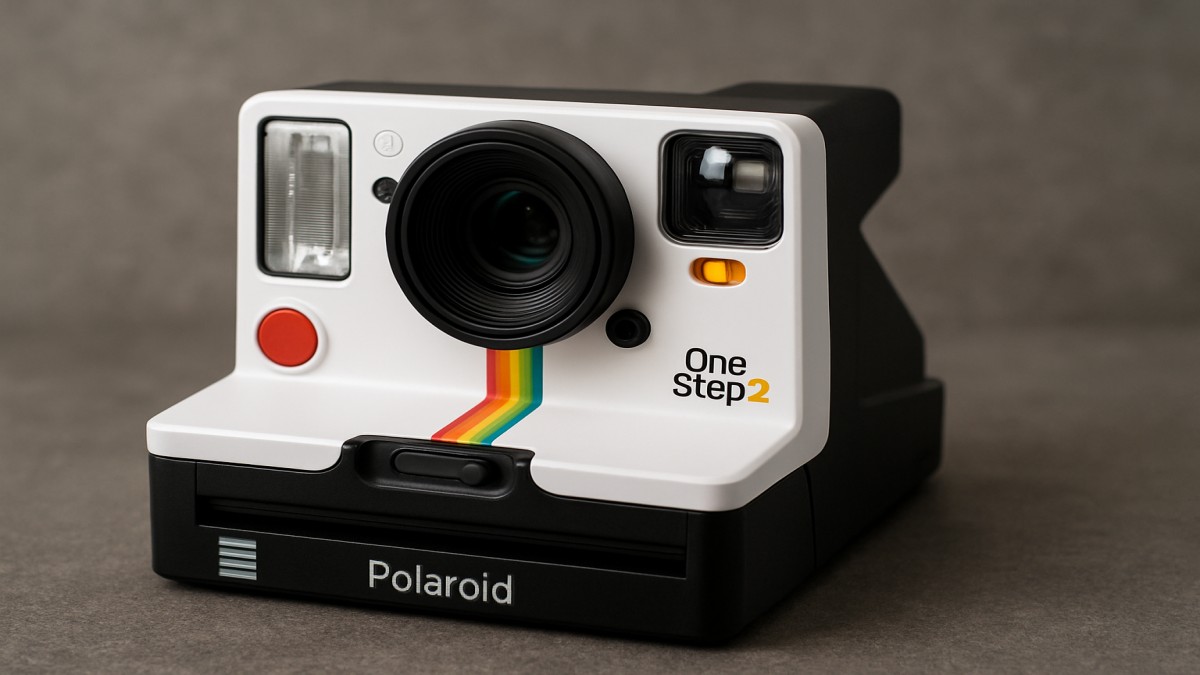
Introduction to Polaroid Cameras
A Polaroid camera is more than just a gadget it’s a way to capture moments with personality. In a world where digital photos flood our phones, instant cameras offer something rare: a physical memory you can hold in your hands within seconds. That’s the charm that keeps Polaroid cameras alive even today.
Why Polaroid Cameras Still Matter
People love the authenticity of Polaroids the grain, the imperfect lighting, the vintage tones. Each photo feels one-of-a-kind, unlike digital snapshots that can be repeated endlessly.
The Emotional Connection Behind Instant Photos
Instant photography creates anticipation. Watching a blank photo slowly reveal its colors feels magical every single time. It’s a fun experience, whether you’re documenting trips, events, or everyday moments.
The History of Polaroid Cameras
The Invention of Instant Photography
Polaroid was founded by Edwin Land, who introduced the first instant camera in 1948. The idea came from his daughter asking why she couldn’t see a picture right after it was taken.
Polaroid’s Evolution Through the Decades
Polaroid cameras enjoyed massive popularity from the 1950s to the 1990s. They became a staple at parties, weddings, and creative shoots.
The Revival of Instant Cameras
In the 2000s, Polaroid nearly disappeared as digital cameras took over. But nostalgia and creative demand brought them back, and now instant photography is more popular than ever.
How a Polaroid Camera Works
The Magic Behind Instant Film
Polaroid film contains layers of chemicals that react when exposed to light. Once the photo is ejected, the film’s chemical pods break open, spreading developer material evenly.
Developing Photos in Real Time
The photo initially appears blank. Over the next few minutes, colors and details gradually emerge—creating that familiar Polaroid reveal moment.
Types of Polaroid Cameras
Classic Polaroids
Old-school models like the Polaroid SX-70 and 600 series have become collector favorites.
Modern Instant Cameras
These are the Polaroid cameras you’ll find in stores today, equipped with better lenses, updated sensors, and more reliable film.
Hybrid Digital-Instant Cameras
Some models allow you to preview your shot before printing—combining the best of digital and instant photography.
Key Features of Today’s Polaroid Cameras
Autofocus and Exposure
Today’s models include autofocus and smart exposure to improve photo clarity.
Built-in Flash
Perfect for low-light environments and indoor shots.
Photo Formats and Compatibility
Polaroid cameras usually work with i-Type or 600 film, depending on the model.
Why Polaroid Cameras Are Popular Again
Nostalgia and Vintage Appeal
People love the retro aesthetic of Polaroids. They bring back memories of simpler times.
Tangible Memories in a Digital World
Physical photos feel more special. You can pin them to walls, add them to scrapbooks, or give them as gifts.
Creative Uses of Instant Photos
Artists, influencers, and photographers use Polaroid photos for journals, mood boards, and DIY décor.
How to Choose the Right Polaroid Camera
For Beginners
Choose a simple model with auto settings.
For Photographers
Look for manual controls and interchangeable lenses.
For Travelers
Lightweight, durable instant cameras with long battery life work best.
Essential Accessories for Your Polaroid Camera
Film Packs
Different frame colors and styles let you personalize your shots.
Protective Cases
Keeps your camera safe from dust and damage.
Photo Albums and Frames
Perfect for organizing and displaying your favorite memories.
Tips for Taking Better Polaroid Photos
Lighting and Angles
Good lighting is key. Natural light produces the best results.
Avoiding Overexposure
Keep subjects out of extremely bright areas.
Creative Shooting Ideas
Try double exposures, close-ups, or outdoor portraits to experiment with effects.
Caring for Your Polaroid Camera
Cleaning and Storage
Keep your lens clean and store the camera in a cool, dry place.
Extending Camera and Film Life
Avoid exposing unused film to heat or humidity.
The Future of Polaroid Photography
Innovations in Instant Print Technology
New film formulas and camera features continue to improve quality.
Digital-Instant Hybrid Era
The next generation of Polaroids will mix digital convenience with analog charm.
Conclusion
Polaroid cameras blend nostalgia, creativity, and emotion into one unforgettable experience. Whether you’re a photography lover or someone who simply enjoys capturing moments, Polaroids offer something uniquely personal. They’re not just photos—they’re memories preserved instantly.
FAQs
1. Are Polaroid cameras easy to use?
Yes! Most modern models are designed for beginners with simple auto settings.
2. How long does a Polaroid photo take to develop?
Usually 10–15 minutes, depending on film type and temperature.
3. Do Polaroid cameras work in low light?
They can, especially with built-in flash, but natural daylight gives the best results.
4. Is Polaroid film expensive?
Film packs can be pricier than digital photography, but the value lies in the physical prints.
5. Can Polaroid photos fade over time?
If stored properly, Polaroid photos can last many years without fading.