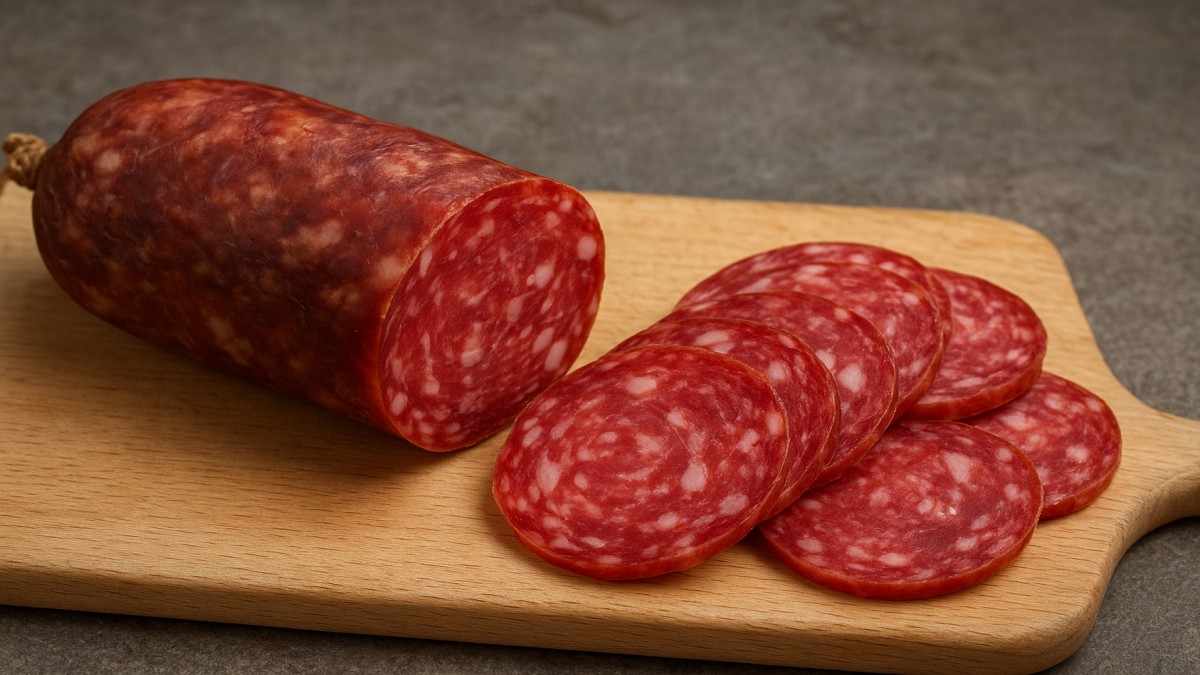
If you love cured meats with deep flavor and rustic character, soppressata deserves a spot on your plate. This traditional Italian salami is known for its coarse texture, rich seasoning, and regional personality. Every bite tells a story of heritage, craftsmanship, and time-honored techniques passed down through generations.
Let’s take a closer look at what makes soppressata special, how it’s made, and the best ways to enjoy it.
What Is Soppressata?
Soppressata is a dry-cured Italian salami made primarily from pork. Unlike finely ground salamis, soppressata uses coarsely chopped meat, which gives it a chunky, hearty texture. It’s seasoned with salt, black pepper, and often chili flakes or garlic, depending on the region.
The name comes from the Italian word soppressare, meaning “to press,” referring to the traditional method of pressing the meat during curing to shape it and remove air pockets.
Origins and Regional Varieties
Southern Italian Roots
Soppressata originates mainly from southern Italy, especially regions like Calabria, Basilicata, Apulia, and Campania. Each area puts its own spin on the recipe, making soppressata a wonderfully diverse product.
Popular Regional Styles
- Calabrian Soppressata: Spicy and bold, made with hot chili peppers.
- Tuscan Soppressata: Milder, often seasoned with black pepper and garlic.
- Basilicata Soppressata: Balanced flavor with a hint of sweetness and spice.
These regional differences mean no two soppressatas taste exactly the same
How Soppressata Is Made
Selecting the Meat
High-quality pork cuts are essential. Traditional recipes often use shoulder, loin, or ham trimmings, mixed with small cubes of pork fat.
Seasoning and Mixing
The meat is seasoned with salt and spices. Some versions include red wine, fennel seeds, or chili flakes for extra depth.
Stuffing and Pressing
The mixture is stuffed into natural casings and lightly pressed—sometimes with weights or boards—to give soppressata its signature flattened shape.
Curing and Aging
Soppressata is air-dried and aged for several weeks to several months. During this time, flavors develop and moisture slowly evaporates, creating its firm texture.
Flavor Profile and Texture
Soppressata has a robust, savory flavor with a pleasant balance of meatiness and spice. The coarse grind allows you to taste distinct pieces of meat and fat, creating a satisfying chew.
Depending on the variety, flavors can range from:
- Mild and peppery
- Garlicky and aromatic
- Spicy and fiery
Soppressata vs Other Italian Salami
Soppressata vs Genoa Salami
Genoa salami is finely ground and mild, while soppressata is coarser and more assertive in flavor.
Soppressata vs Pepperoni
Pepperoni is heavily spiced and often smoky. Soppressata is more rustic and complex, with less uniform seasoning.
What Makes Soppressata Unique
Its texture, regional diversity, and traditional pressing method set soppressata apart from other cured meats.
How to Eat Soppressata
On a Charcuterie Board
Sliced thin, soppressata shines alongside cheeses, olives, nuts, and crusty bread.
In Sandwiches
Add it to a sandwich with fresh mozzarella, arugula, and olive oil for a simple yet flavorful meal.
As a Pizza Topping
Soppressata adds bold flavor to pizza, especially when paired with tomato sauce and melted cheese.
With Wine
Pair soppressata with medium-bodied red wines like Chianti or Montepulciano to complement its richness.
Is Soppressata Spicy?
Not always. Some varieties, especially from Calabria, are spicy due to chili peppers. Others are mild and focus more on garlic or pepper. Always check the label if you’re sensitive to heat.
Nutritional Considerations
Soppressata is rich in protein and flavor but should be enjoyed in moderation. Like most cured meats, it contains sodium and fat. A few slices go a long way in delivering satisfaction.
Buying and Storing Soppressata
How to Choose Quality Soppressata
Look for:
- Natural casings
- Visible chunks of meat and fat
- Minimal additives
Storage Tips
- Keep whole soppressata wrapped in breathable paper in the refrigerator.
- Once sliced, store tightly wrapped and consume within a few days.
Conclusion
Soppressata is more than just cured meat—it’s a celebration of Italian tradition and bold flavor. With its coarse texture, regional variety, and rich seasoning, it offers a unique experience for anyone who enjoys artisanal foods. Whether served on a charcuterie board, tucked into a sandwich, or enjoyed on its own, soppressata delivers authentic taste in every slice.
FAQs
1. Is soppressata raw or cooked?
Soppressata is not cooked, but it is cured and aged, making it safe to eat.
2. Is soppressata the same as salami?
It’s a type of salami, but with a coarser texture and distinct regional styles.
3. Does soppressata need refrigeration?
Yes, especially once sliced. Whole cured pieces may last longer but are best refrigerated.
4. Can soppressata be used in cooking?
Yes, it works well on pizzas, in pasta dishes, or as a flavor enhancer.
5. Is soppressata pork only?
Traditionally yes, though some modern variations may use other meats.